
Debated. The grave is rich, but the page does not show that it rewrites Iron Age history.
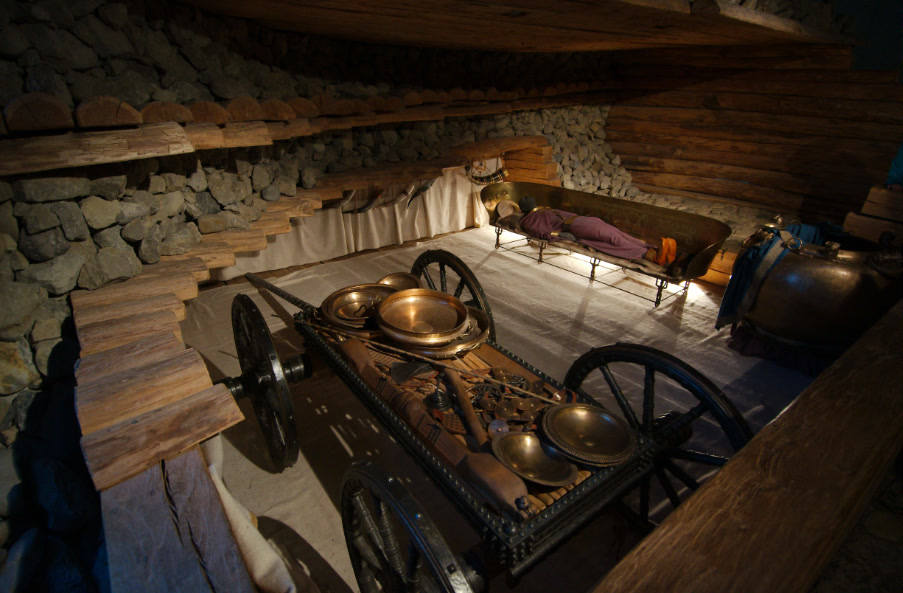
The grave was found near the A3 motorway, in Limburg-Weilburg, by Bad Camberg, in the Taunus mountains of Germany. It dates to the Hallstatt period, about 800 to 450 BC. The wooden chamber has rotted, and no human bones survive. Three solid gold rings were found. A two-wheeled wagon was in the grave. Iron fittings from two wooden wheels remain, and the wheels may have stood up to 1.20 metres high. An iron spearhead was also found. An X-ray showed a bronze jug from the Etruscan world. The page says imported vessels like this travelled hundreds of miles.
Who was buried is still unknown. The page says a man's grave is often guessed when weapons and a wagon are present, but a rich woman's grave is still possible.